4690 low range turbidity (sensor only)
Last updated: 27 Feb 2025
637 Views
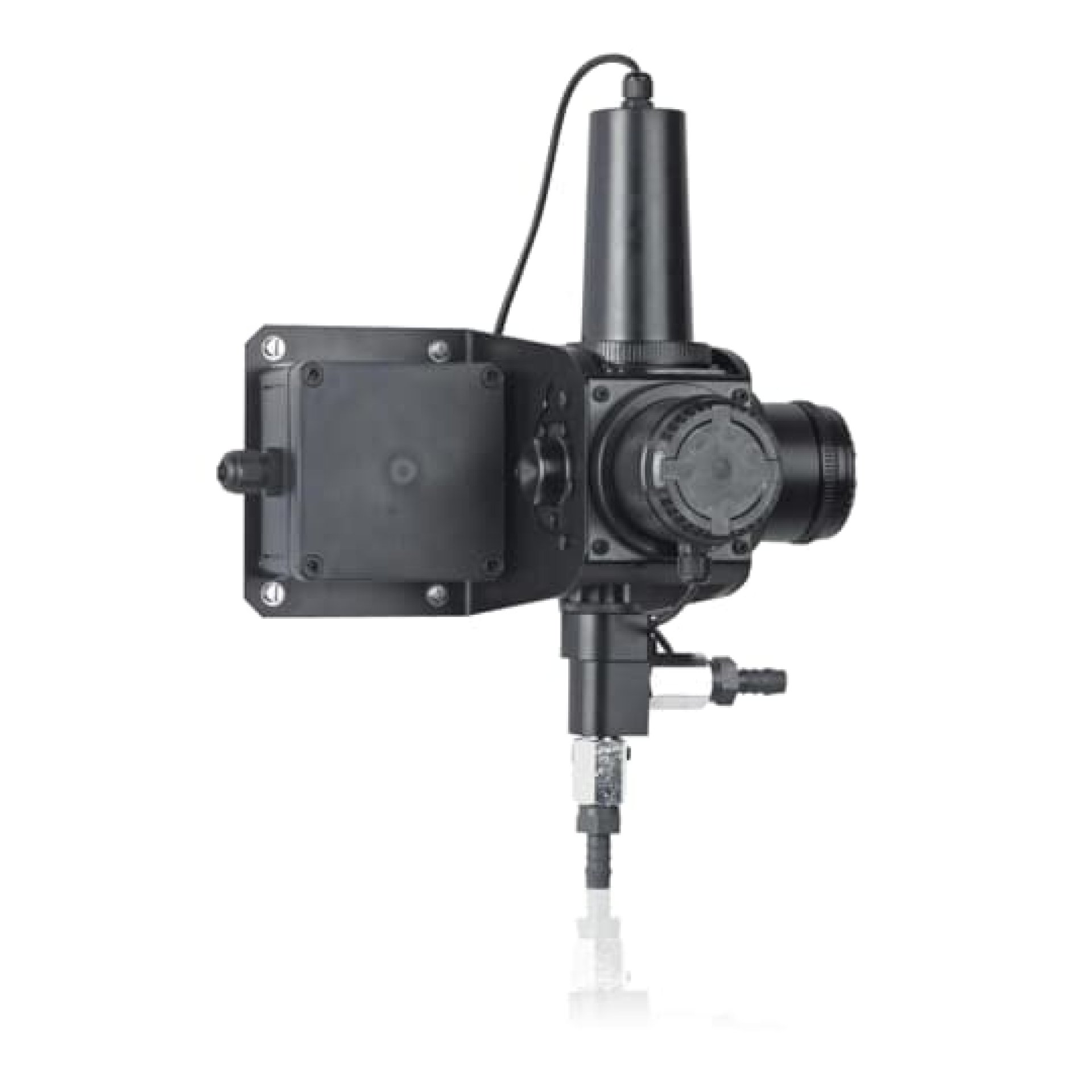
- Flow-through turbidity design
- Compliant to ISO Method 7027
- Automatic sensor cleaning
- Optimizes performance sensitivity
- Secondary standards for calibration verification
- Realize significant cost savings by reducing the use of primary standards
- Simple to use and maintain
- Simple-to-perform annual service
- Reliable and accurate measurement
- Automatic bubble rejection to compensate for erroneous readings due to degassing
Related Content
Integrated Bluetooth® for direct connection to your smart device
• view device data in real time or analyze later in offline mode
• access the latest software updates and essential sensor information
• keep track of maintenance tasks and view maintenance logs
at a glance
How the latest advances in dissolved
oxygen sensor technology are delivering
enhanced levels of accuracy and reliability

Real-Time Wastewater Quality Monitoring: The future of BOD/COD analysis with UV/VIS technology
