Insertion-type, stainless steel electrodes AC221
Last updated: 29 May 2025
709 Views
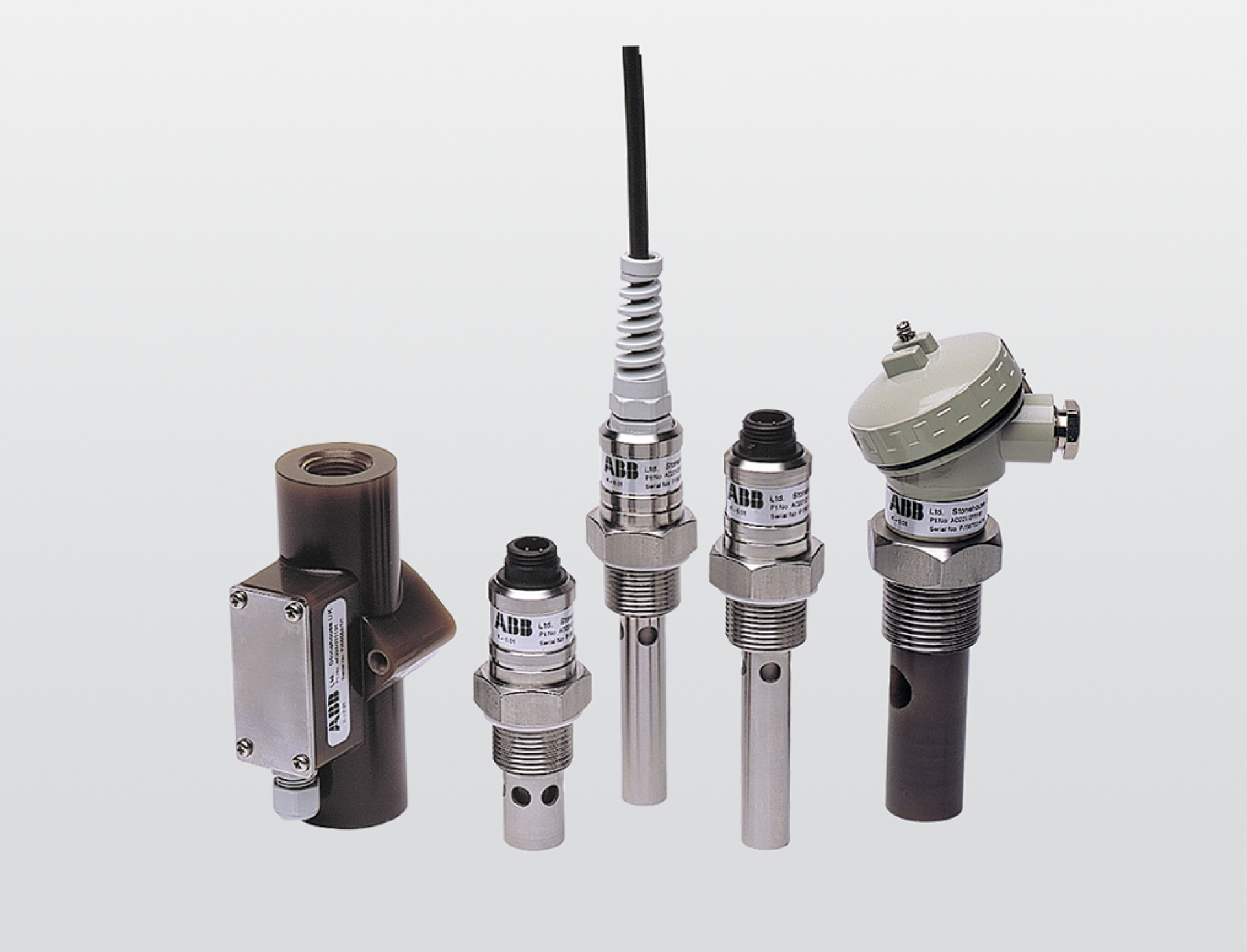
Safe operation and high process resistance
316L stainless steel body and PEEK insulator operates to
20 bar (290 psi) and 200 °C (392 °F)
Epoxy body and carbon electrodes to 6.6 bar (100 psi) and
100 °C (212 °F)
Easy installation and operation
Insertion, flow-through, immersion and submersible types
Problem-free cable connection
Plug-in connector eliminates incorrect connection and
tangled cables
Terminal head version for on-site adjustment of cable
length
Excellent for rapid changing processes
Fast integral temperature sensor
T90
under 30 seconds
Reduced maintenance
Easy to clean, removable electrode sheath
Wide range of applications
Power plants
Water treatment
Demineralization
Semiconductors
Pulp & paper
316L stainless steel body and PEEK insulator operates to
20 bar (290 psi) and 200 °C (392 °F)
Epoxy body and carbon electrodes to 6.6 bar (100 psi) and
100 °C (212 °F)
Easy installation and operation
Insertion, flow-through, immersion and submersible types
Problem-free cable connection
Plug-in connector eliminates incorrect connection and
tangled cables
Terminal head version for on-site adjustment of cable
length
Excellent for rapid changing processes
Fast integral temperature sensor
T90
under 30 seconds
Reduced maintenance
Easy to clean, removable electrode sheath
Wide range of applications
Power plants
Water treatment
Demineralization
Semiconductors
Pulp & paper
Related Content
Electrodeless conductivity measurement
Perfect for use in highly corrosive solutions
Greatly reduces coating and other fouling problems
Multi-range capability
Versatile mounting: Insertion, submersible, retractable
PEEK encapsulation and Kevlar® reinforcement
High pressure and temperature ratings
316 stainless steel, Kynar®, titanium, and CPVC hardware
The most durable pH / Redox (ORP) sensors in the world
