Dissolved oxygen analyzer
Last updated: 29 May 2025
824 Views
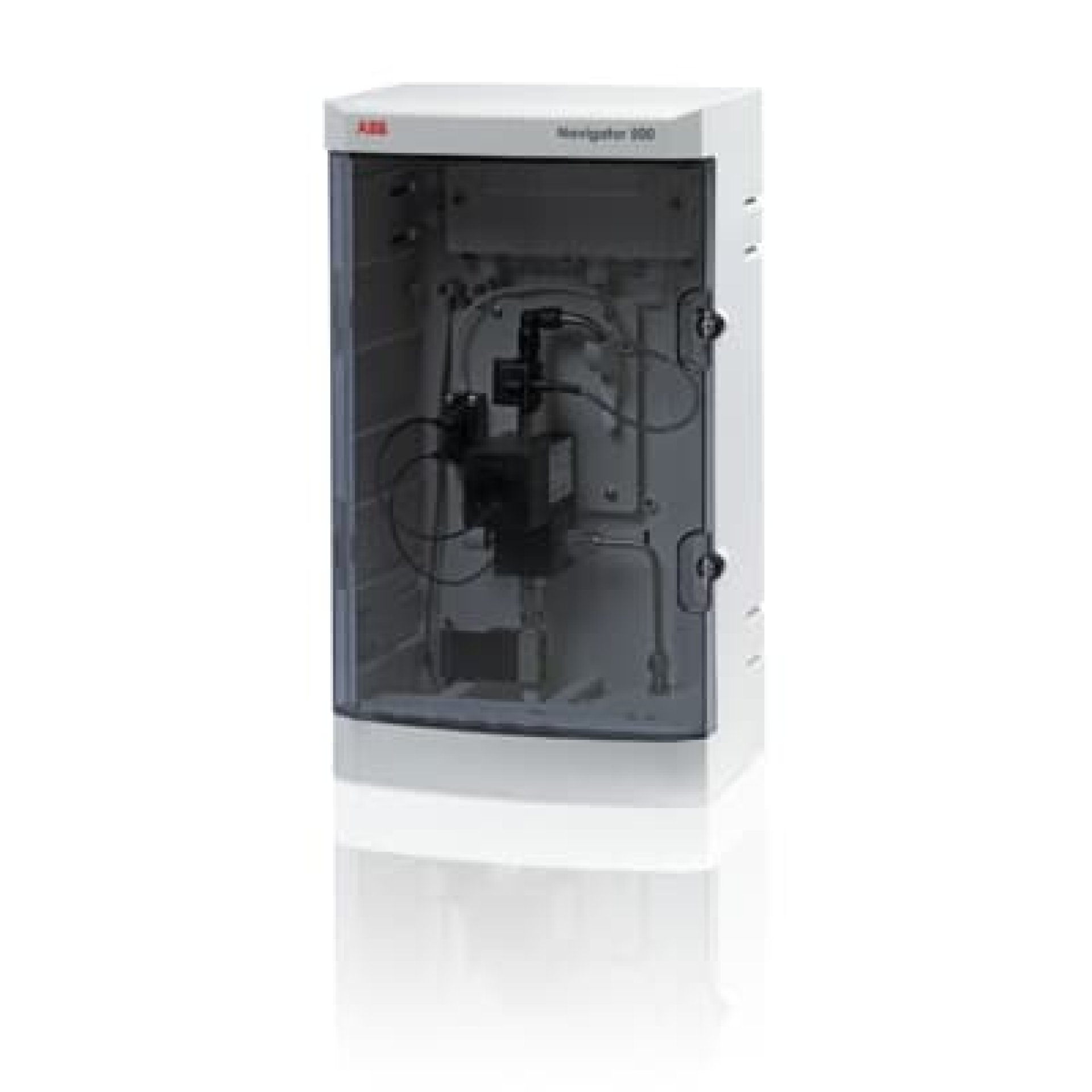
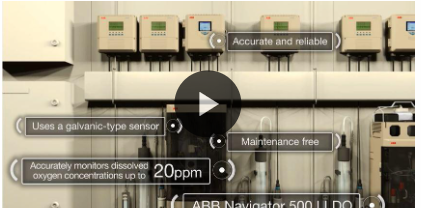
Featuring a separate sensor section and transmitter, the Navigator 500 Dissolved Oxygen gives users the option of adding up to four wet-sections to one transmitter, enabling measurement of samples from different measuring points. This not only offers an economic and compact solution, but allows operators to mix and match other parameters within the Navigator 500 range to reduce installation footprint and cost.
User benefits:
- Maintenance-free dissolved oxygen sensor removes the need for membrane changes or electrolyte replenishment
- Automatic calibration minimizes manual intervention and ensures accuracy
- Fast response time allows control of rapid changes in plant conditions
- Intuitive software with full colour graphical display
- Data logging and graphical process trending
- Full audit trail capability
- Secure data archiving to SD Card or USB Stick
Related Content

EZLink™ connectivity
• Plug-and-play technology makes sensor integration fast and easy
• Advanced diagnostics providing end-of-life indication and fault
analysis
• Improved measurement accuracy with digital communication
- Measurement in 5 seconds
- Patented technology provides superior measurement performance
- Long lasting UV and visible LEDs
- Rugged for field testing with optional Battery Pack
- No reagents required
