How optical sensors can optimized dissolved oxygen measurement accuracy in aeration process
Last updated: 1 Dec 2025
399 Views
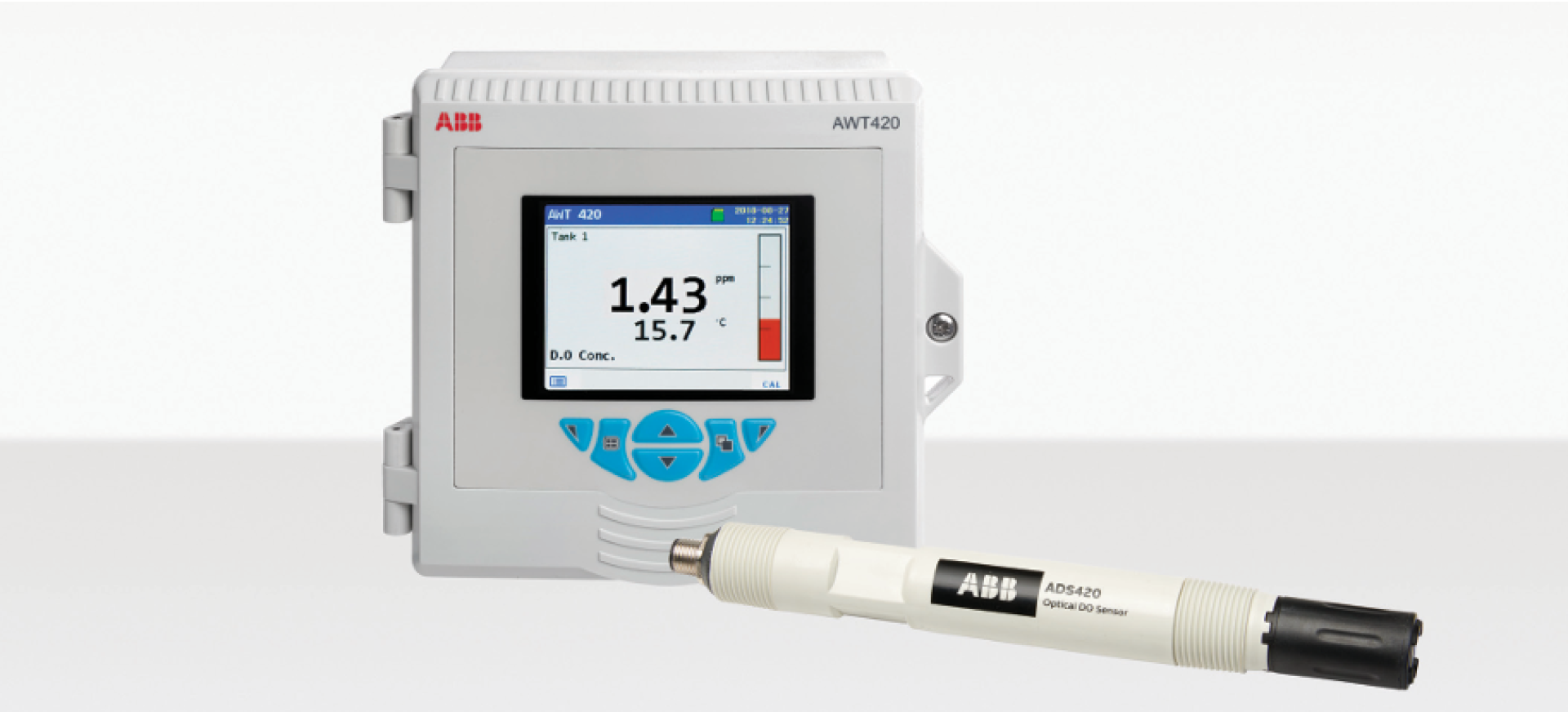
Advantages of optical sensors
Using optical sensors for dissolved oxygen measurementcan help to overcome many of the problems associated
with electrochemical devices. Typical benefits of optical
sensors include:
- Improved accuracy optical devices have been proven to deliver improved accuracy with no drift even over prolonged periods. In comparison, the accuracy of electrochemical devices can become impaired due to fouling of the membrane and / or degradation of the sensor electrolyte.
- No need for a sample flow optical devices also provide an effective alternative to electrochemical sensors in low oxygen (hypoxic) conditions. Unlike membrane-based sensors, optical devices have no requirement for sample flow or stirring to artificially raise dissolved oxygen levels.
- Low maintenance compared to electrochemical devices, optical sensors have a greatly reduced maintenance requirement. The sensor head only needs to be cleaned periodically, whilst the sensor cap can operate up to 2 years before replacement. The cost of spares is also reduced, with no need to keep spare membranes or electrolyte filling solution.
- Long-term calibration the non-consumptive, non- reactive design of optical sensors means that the frequency of calibration is reduced. Optical sensor devices have been proven to provide accurate measurements for many months before calibration needs to be checked, even in applications with a higher risk of fouling.
- Improved resistance against harsh conditions the sensing element in optical sensors is highly abrasion resistant, affording protection against the effects of fouling, sediment and rapid flows. Optical devices are also impervious to the effects of substances and gases such as sulphides, sulphates, hydrogen sulphide, carbon dioxide, ammonia and chloride that can affect the efficiency of electrochemical sensors.
- Improved efficiency through smart real-time data analysis and control The ADS420 can be combined with ABBs latest generation of smart digital transmitters and solutions, opening new possibilities for improved efficiency and smarter process control.
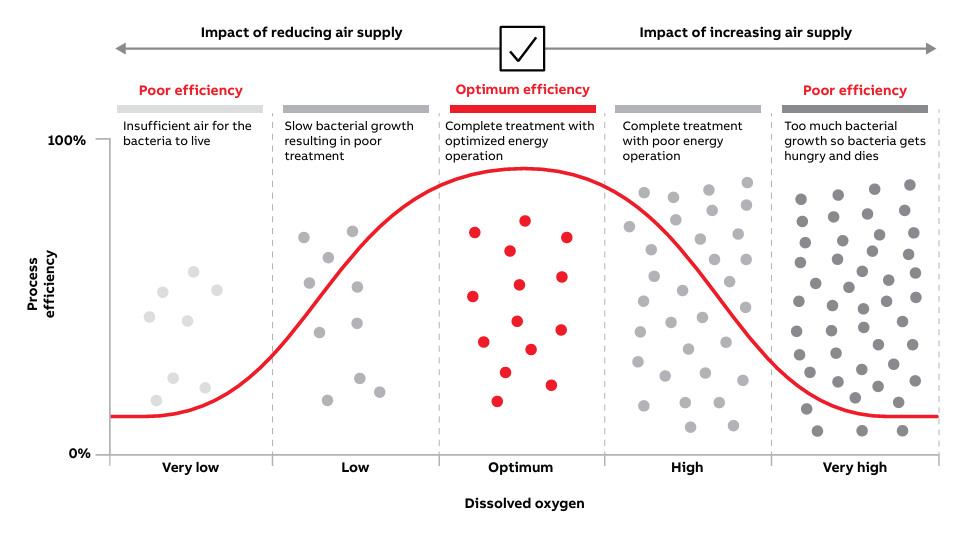
- The recommended optimum level for dissolved oxygen is generally set at between 1.5 and 2 ppm.
Related Content
A well deserved reputation for ruggedness, longevity and accuracy hallmark the TBX564 series industrial hot-tap retractable pH / redox sensors. The sensors are easily applied to most industrial measurement needs. They are renowned for their ability to outperform conventional sensors in the industries' toughest process applications. Solid-state Next Step™ reference technology is the foundation for all TB(X)5 Series electrodes. The totally solid inner reference chamber is charged with potassium chloride (KCl). This non-liquid reference all but eliminates poisoning, plugging and pumping problems that plague conventional liquid, slurry and gel designs.
VF-8 Series High Performance Triple-Offset Butterfly Valves Size: 4"- 48"( DN100-DN1200)
Temperature Range: -100 °C~550 °C(-148 °F~1022°F)
Pressure Rating: ANSI 150/300/600/900LB
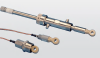
Electrodeless conductivity measurement
Perfect for use in highly corrosive solutions
Greatly reduces coating and other fouling problems
Multi-range capability
Versatile mounting: Insertion, submersible, retractable
PEEK encapsulation and Kevlar® reinforcement
High pressure and temperature ratings
316 stainless steel, Kynar®, titanium, and CPVC hardware
